hr
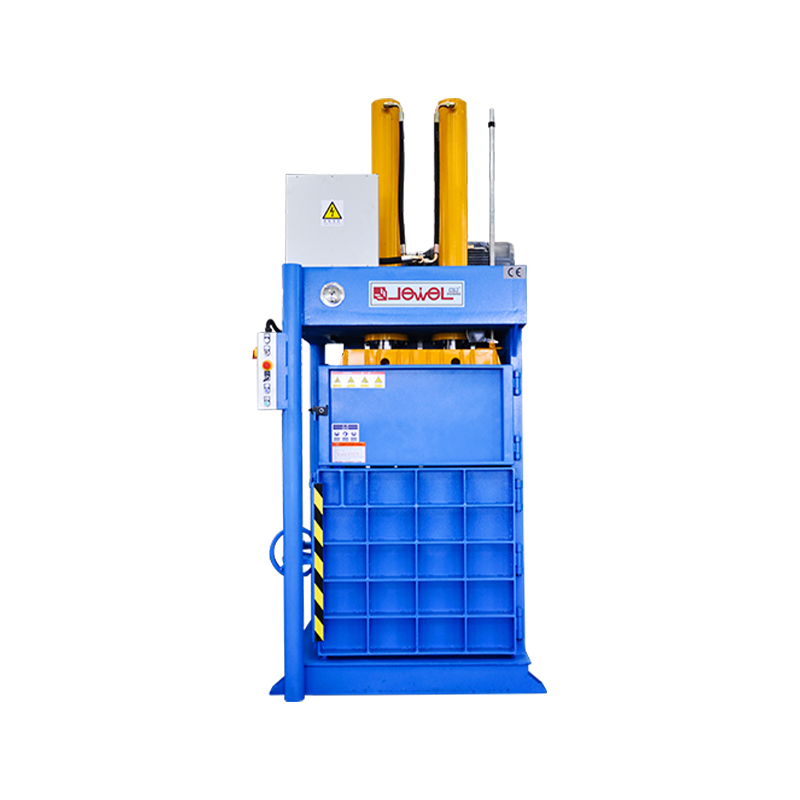
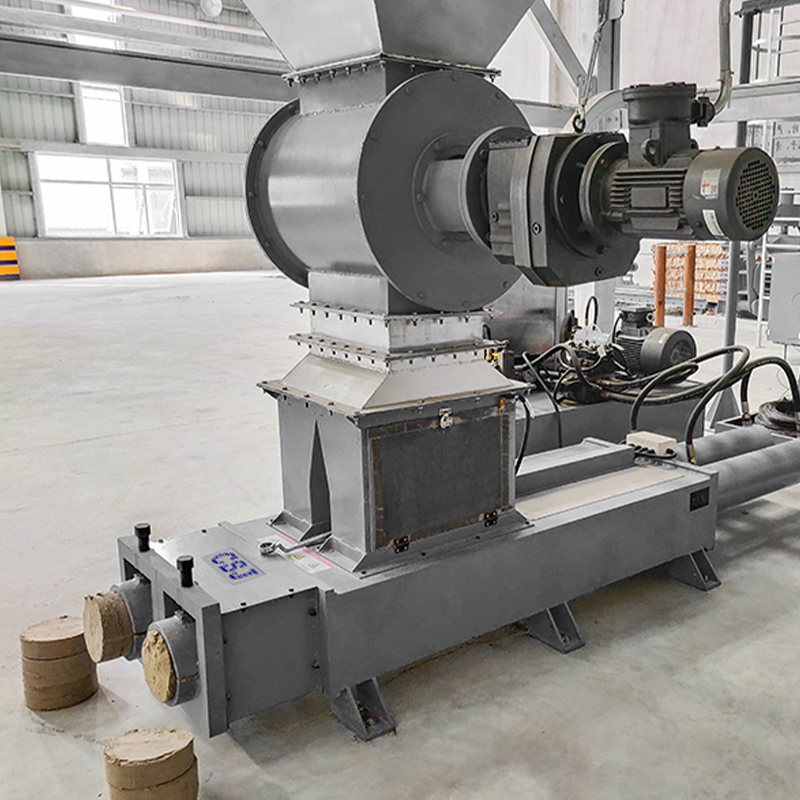
The Ultimate Guide to Balers: Cardboard, Plastic, and Horizontal Plastic Balers What is a Baler? A baler is a hydraulic or me...
PROČITAJ VIŠE
Roll Tangling Terminator. Precizno reže film/traku/papir kako bi osigurao ravnomjerno uvlačenje balirki, rješavajući problem namotavanja.
SVE
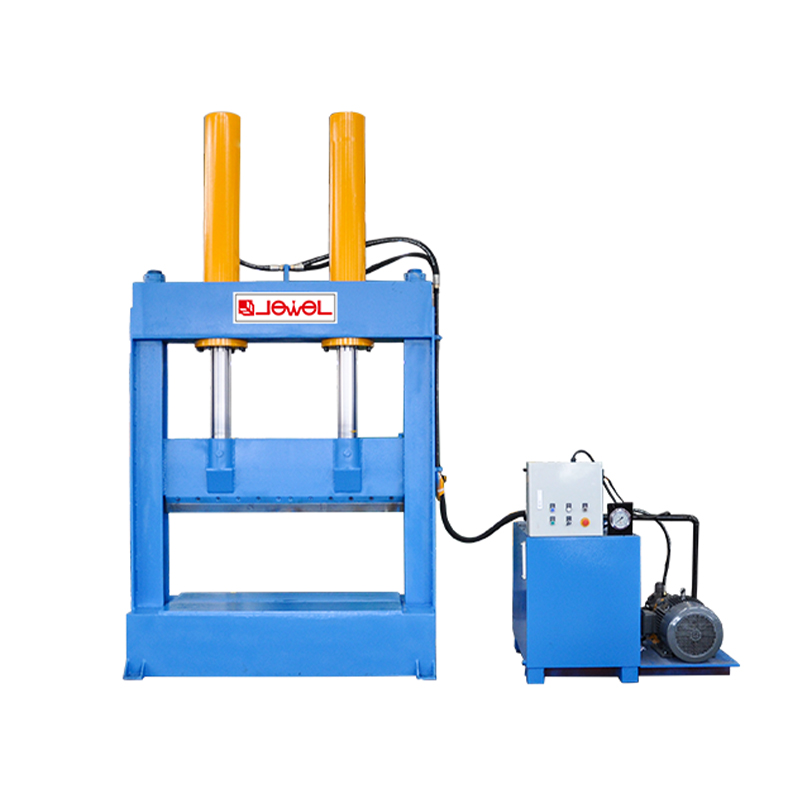
Područje primjene:
Otkrijte više
Dodaj u listu želja
Dodano √
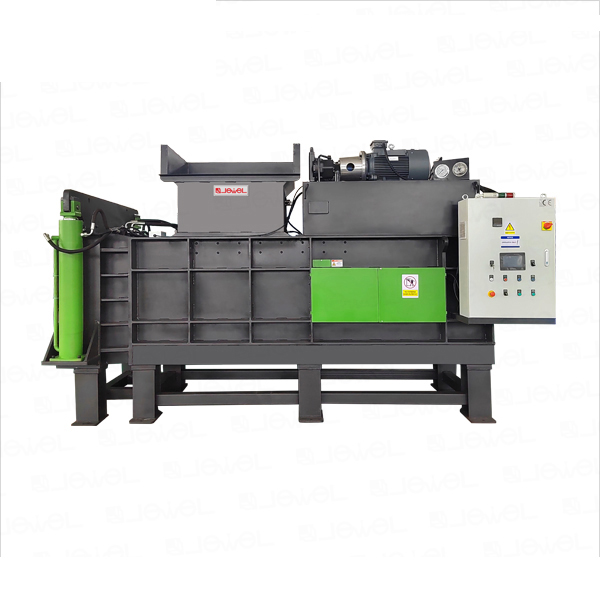
Područje primjene:
Otkrijte više
Dodaj u listu želja
Dodano √
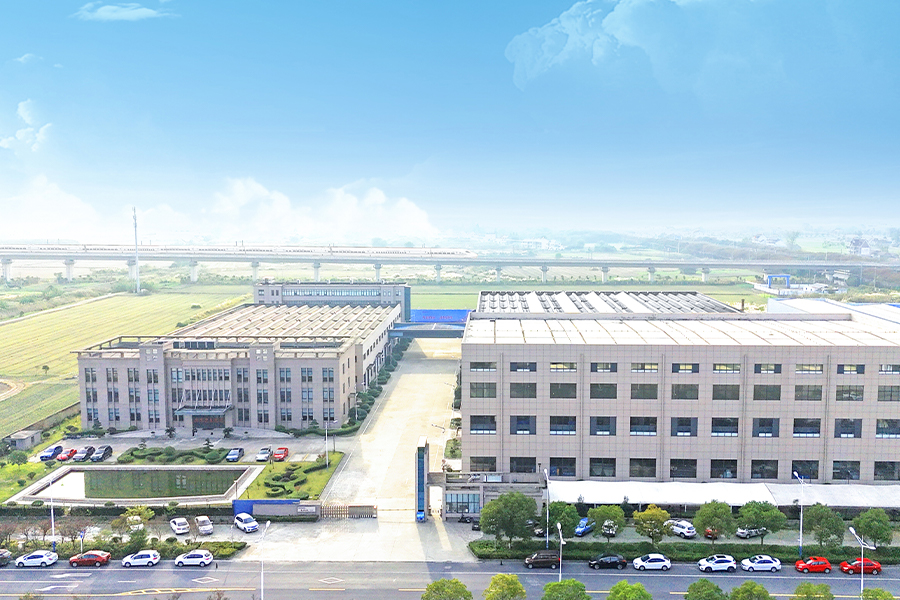
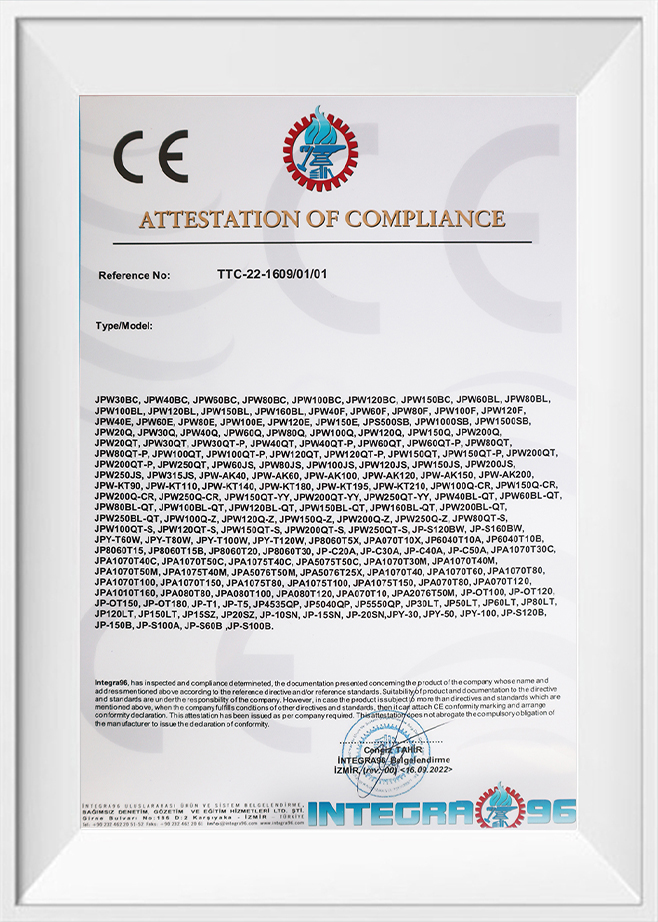
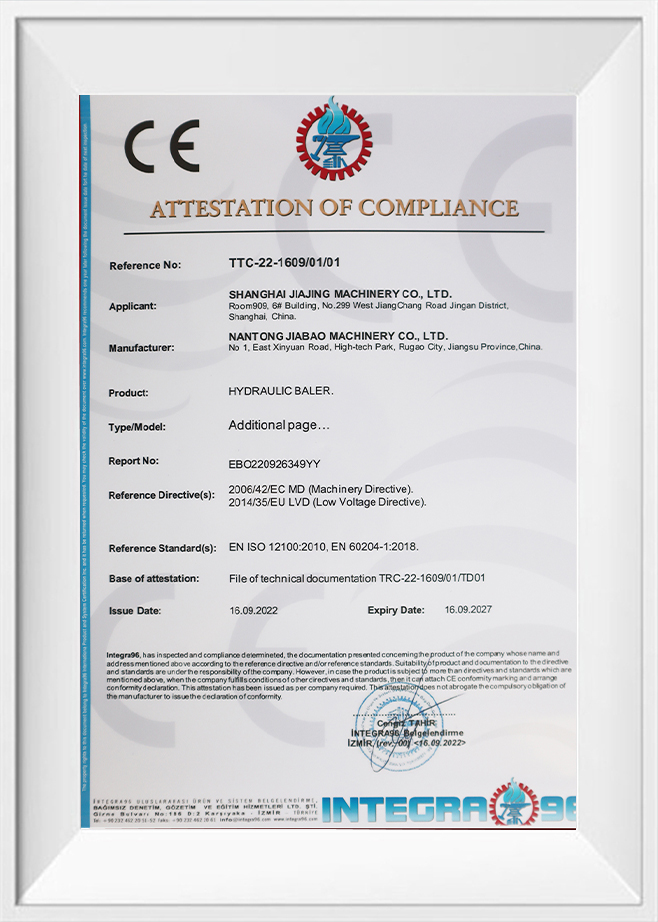
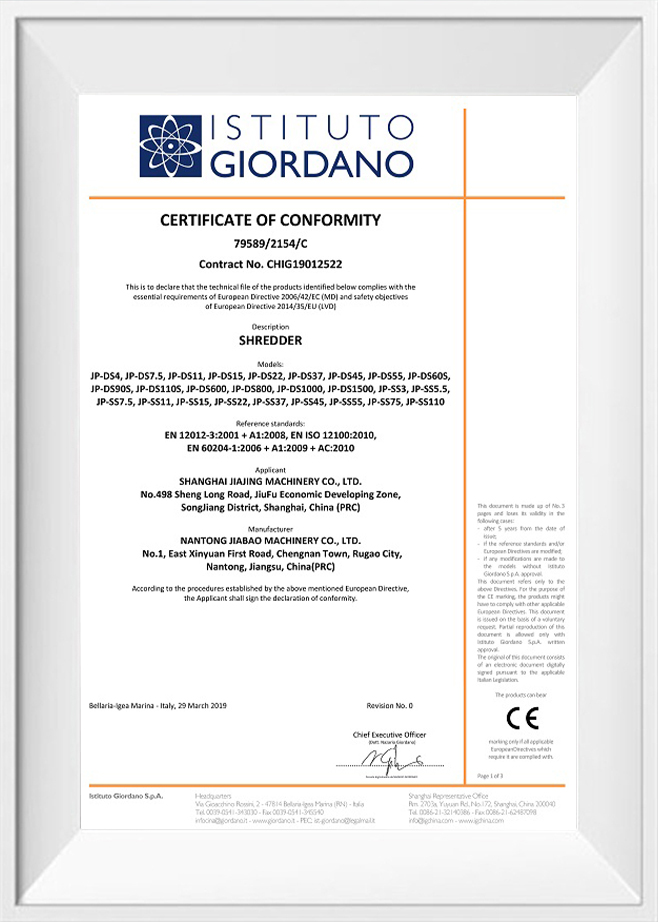
Kao Strojevi za rezanje Proizvođači i Dobavljači terminatora za zapetljavanje rola, Shanghai Jewel Tech Co., Ltd., osnovan 2006. (brend je osnovan 1995.), specijaliziran je za istraživanje, razvoj i proizvodnju ekološki prihvatljive, inteligentne opreme za kompaktiranje i baliranje. Posjedujemo moderni proizvodni pogon od 50.000 četvornih metara i tim od preko 200 stručnjaka.
Koristeći naše veliko proizvodno iskustvo, nudimo našim kupcima:
Poluautomatske/potpuno automatske strojeve za kompaktiranje i baliranje. Inteligentne sustave za uklanjanje otpada za razne industrije. Automatske sustave za kompaktiranje i omatanje. Integrirane strojeve za drobljenje, kompaktiranje i baliranje. Prilagođena industrijska rješenja.
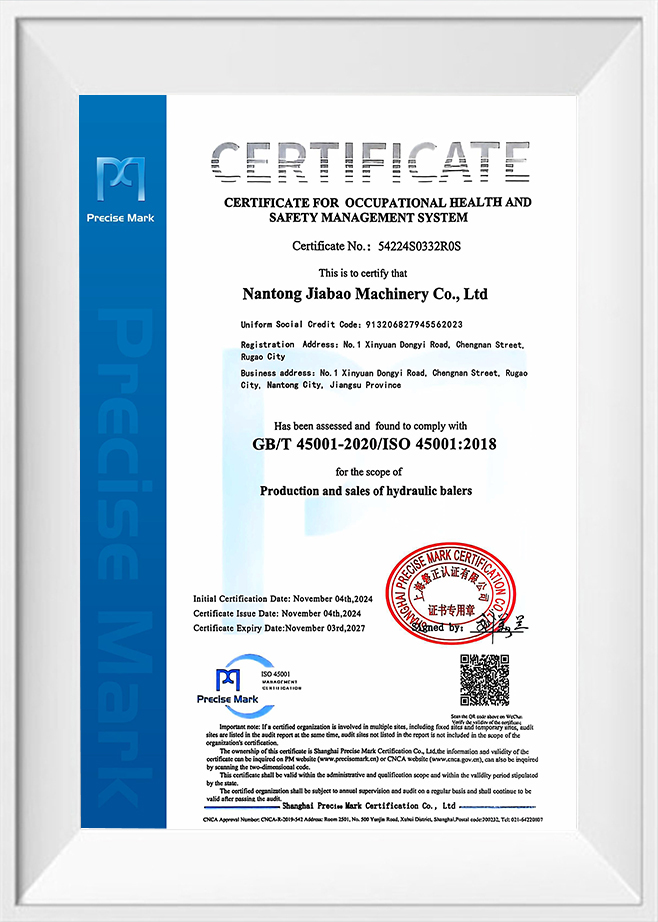
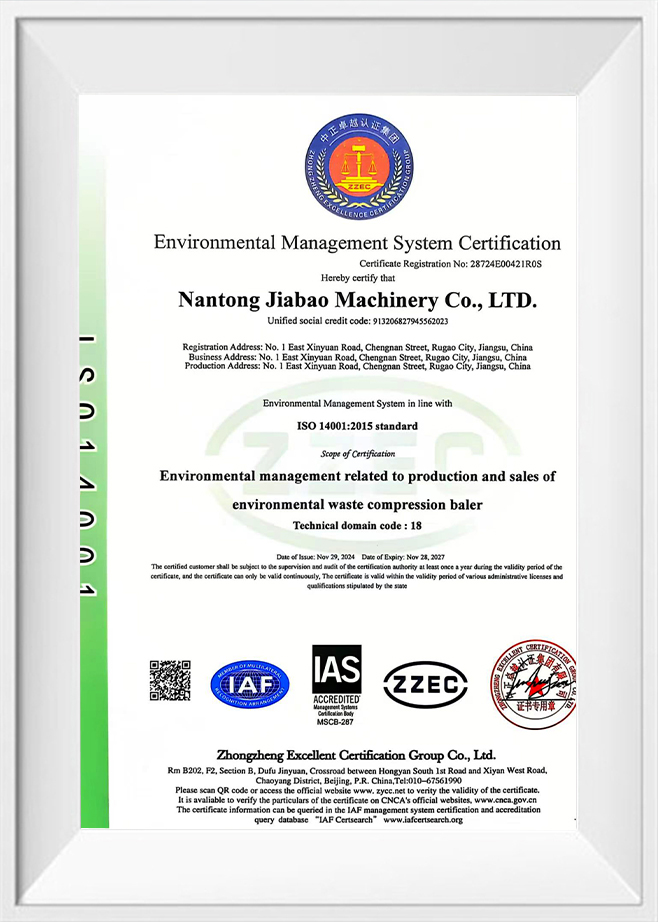
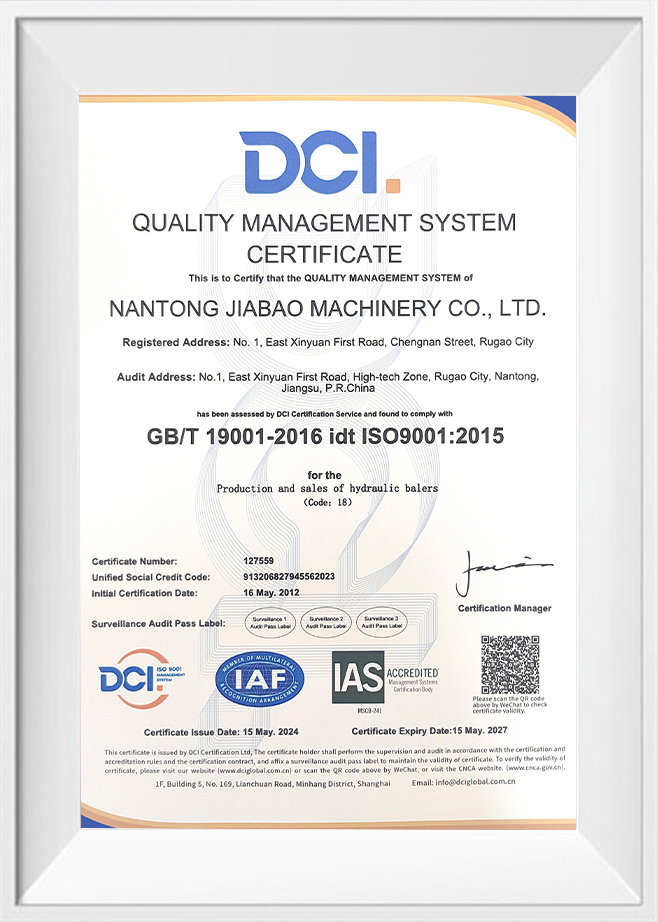
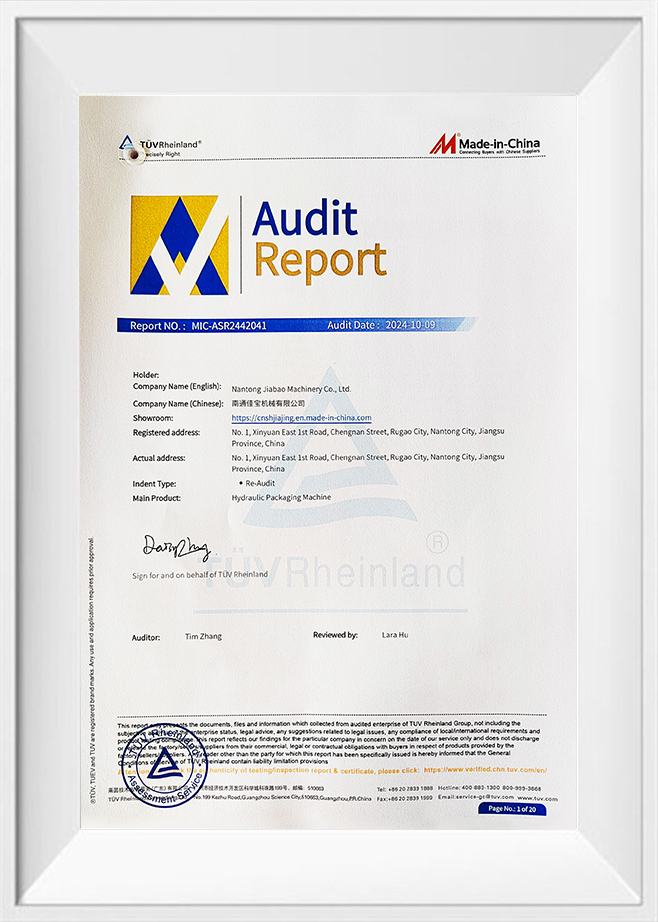

The Ultimate Guide to Balers: Cardboard, Plastic, and Horizontal Plastic Balers What is a Baler? A baler is a hydraulic or me...
PROČITAJ VIŠEUvid u proizvodnju Inženjerski standardi koji stoje iza svake drobilice otpada koju napravimo Svaki drobilica otpada ...
PROČITAJ VIŠEŠto je balirka za karton? Tvornica za pakiranje koja proizvodi dvije tone ostataka valovitog kartona dnevno suočava se s poznatim problemom: ...
PROČITAJ VIŠEPrvi kratki odgovor Voditelj proizvodnje u tvornici za pakiranje valovitog kartona nedavno mi je pokazao dvije fotografije. Prvi je bio zid od balir...
PROČITAJ VIŠECutting machines used in recycling, waste processing, and manufacturing industries have gradually evolved toward higher levels of automation. One of the key developments in modern equipment design is the integration of automatic feeding systems, which reduce the need for operators to manually place materials near cutting tools. This shift is closely related to safety requirements, operational efficiency, and continuous production demands. Manufacturers such as Shanghai Jewel Tech Co., Ltd., which specializes in intelligent compression and integrated waste processing equipment, focus on designing systems that support safer and more controlled material handling processes.
Automatic feeding systems are designed to transport materials into the cutting chamber without direct human contact with blades or rotating components. This is typically achieved through conveyors, hydraulic pushers, or roller feeding mechanisms that guide materials steadily into the cutting area. Once the material enters the chamber, sensors and control systems regulate the feeding speed to match the cutting capacity of the machine. This coordinated operation helps maintain stable processing while reducing the need for manual intervention near hazardous components.
One of the primary advantages of automatic feeding systems is the reduction of direct operator exposure to cutting tools. In traditional setups, manual feeding increases the risk of accidental contact with sharp blades or moving parts. Automated systems create a physical separation between operators and the cutting zone, which helps improve workplace safety conditions. Emergency stop functions, safety covers, and interlock systems are often integrated to further control access during machine operation.
In industries where large quantities of materials must be processed continuously, such as recycling facilities, packaging plants, and manufacturing sites, automatic feeding systems play an important role in maintaining workflow efficiency. Materials such as plastic films, woven bags, cardboard, and industrial scraps can be fed into cutting machines without interrupting production cycles. This allows cutting operations to run continuously alongside other processes such as baling or compression.
The following table outlines the operational differences between manual feeding and automatic feeding systems in cutting machine applications.
| Aspect | Manual Feeding | Automatic Feeding |
| Operator Contact | Direct contact with materials near cutting tools | No direct contact with cutting zone |
| Safety Level | Higher exposure to mechanical risk | Reduced exposure through separation systems |
| Operational Efficiency | Dependent on operator speed | Continuous and regulated feeding |
| Consistency | Variable material input | Stable and controlled material flow |
| Suitable Application | Small-scale or intermittent use | Large-scale continuous production |
Modern cutting machines with automatic feeding capabilities are often integrated into broader intelligent waste processing systems. These systems may include conveyors, shredders, balers, and compression units that work together in a coordinated workflow. Shanghai Jewel Tech Co., Ltd. develops integrated solutions that combine crushing, compression, and baling technologies with automated material handling systems. This integration allows materials to move through multiple processing stages with minimal manual intervention, supporting smoother industrial operations.
Automatic feeding systems rely on sensors and control units to regulate material input. These sensors monitor factors such as load level, feeding speed, and machine resistance. When the system detects changes in cutting load, it can adjust feeding speed accordingly to prevent overload or material blockage. This dynamic control helps maintain stable machine operation and reduces mechanical stress on cutting components.
Cutting machines with automatic feeding systems are capable of processing a wide range of materials, including plastic films, textiles, packaging waste, and lightweight industrial scraps. The feeding system ensures that materials are evenly distributed into the cutting chamber, reducing the risk of entanglement or uneven cutting. For flexible materials, controlled feeding speed is particularly important to prevent wrapping around rotating components.
By reducing manual handling and maintaining continuous material flow, automatic feeding systems contribute to more stable production cycles. Operators can focus on monitoring system performance rather than performing repetitive feeding tasks. In facilities with high material throughput, this leads to more consistent output and better utilization of equipment capacity. The integration of automated feeding also supports coordination with downstream processes such as baling and packaging.
Different industries require different levels of automation depending on material type, production scale, and workflow structure. Cutting machines can be customized with various feeding mechanisms, control systems, and safety configurations to meet these requirements. Shanghai Jewel Tech Co., Ltd. provides tailored solutions that align with specific industrial applications, ensuring that automatic feeding systems are properly adapted to each operational environment.
Q: How can cutting machines be integrated into an automated waste processing line?
A: Cutting machines can be connected with conveyors, shredders, balers, and compression systems to form a continuous processing line. This setup allows materials to move automatically between stages, reducing manual handling and improving overall workflow efficiency in industrial environments.
Q: What types of industrial materials are commonly processed by cutting machines?
A: Cutting machines are widely used for processing plastic films, woven bags, textiles, packaging waste, rubber materials, and lightweight industrial scraps. Their performance depends on blade design, motor power, and feeding system configuration.
Q: How do automatic feeding systems improve safety in cutting machine operation?
A: Automatic feeding systems reduce the need for operators to place materials near cutting tools directly. By using conveyors or mechanical feeders, materials are guided into the cutting chamber, helping reduce exposure to moving blades and improving workplace safety conditions.
Q: What role do control systems play in cutting machine performance?
A: Control systems regulate cutting speed, feeding rate, and motor load to ensure stable operation. They help synchronize material input with cutting capacity, preventing overload and maintaining consistent processing quality during continuous operation.
Q: How does pre-cutting affect downstream baling or compression processes?
A: Pre-cutting reduces material size and entanglement, making it easier for balers and compression machines to handle the output. This improves feeding stability and helps produce more uniform compressed materials in later processing stages.
Q: What maintenance steps are important for stable cutting machine operation?
A: Regular inspection of blades, drive systems, and feeding mechanisms is essential. Cleaning material residues and monitoring wear parts help maintain cutting efficiency and reduce unexpected downtime in industrial applications.
Q: Can cutting machines handle high-toughness flexible materials effectively?
A: Yes, cutting machines designed for industrial use can process high-toughness materials such as woven bags and plastic films. They use high-torque motors and reinforced blade systems to gradually reduce material size without disrupting feeding stability.
Q: How do customized solutions improve cutting machine performance in different industries?
A: Customized solutions allow adjustments in blade configuration, feeding structure, and control systems based on specific material types and production requirements. Shanghai Jewel Tech Co., Ltd. provides tailored equipment to match different industrial waste processing scenarios.

Vrste otpada
Kategorije
 Proizvođači prilagođenih terminatora za zapetljavanje rola